23rd/24th May
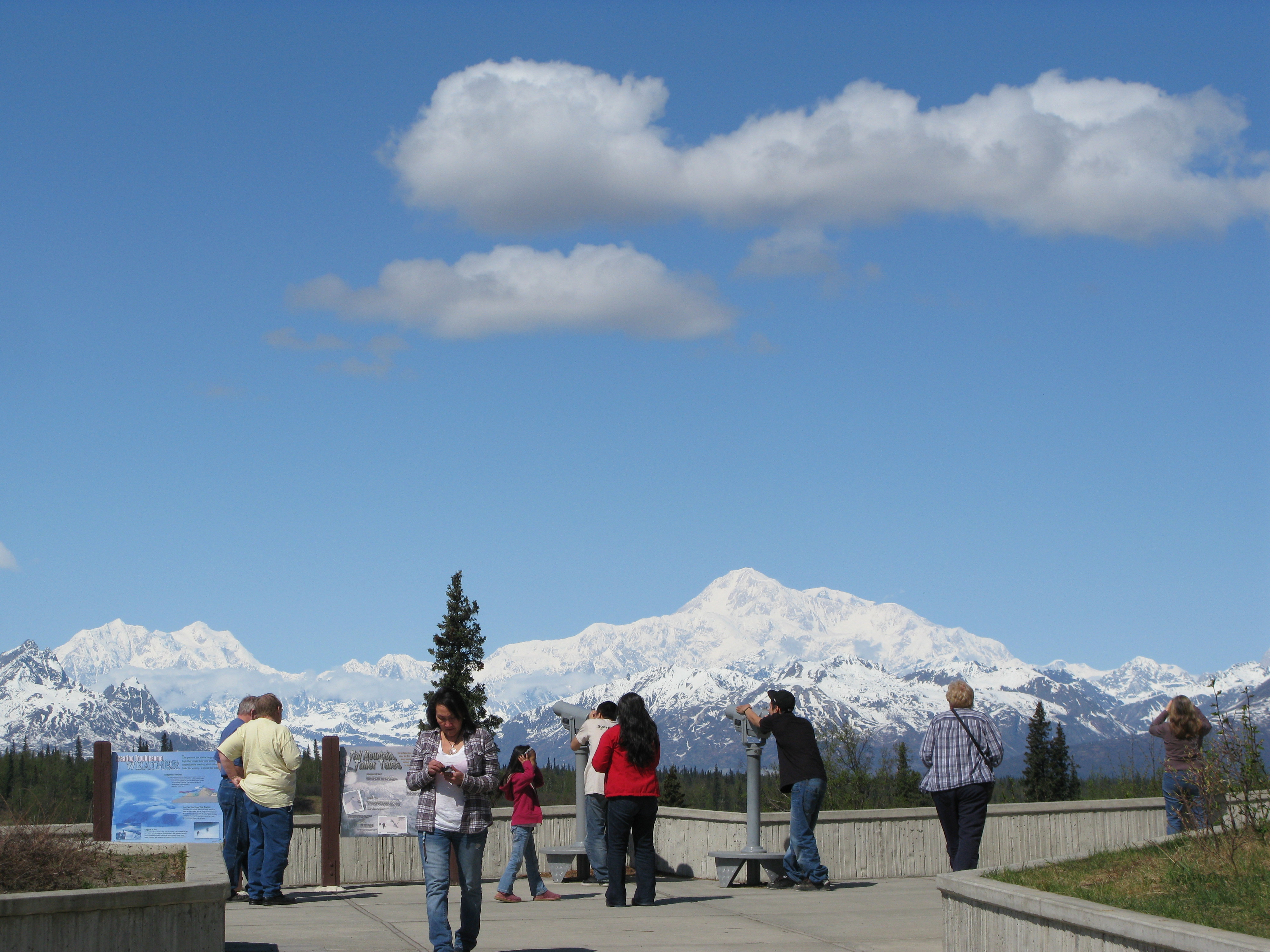
A great journey from Anchorage to here – with some stunning views of Mount McKinley, the highest mountain in North America at just over 20,000 feet. Apparently it is usually covered in cloud and some people have never seen it even after several attempts. And we saw it first time, and many times from many angles. The photo above was taken from the south.
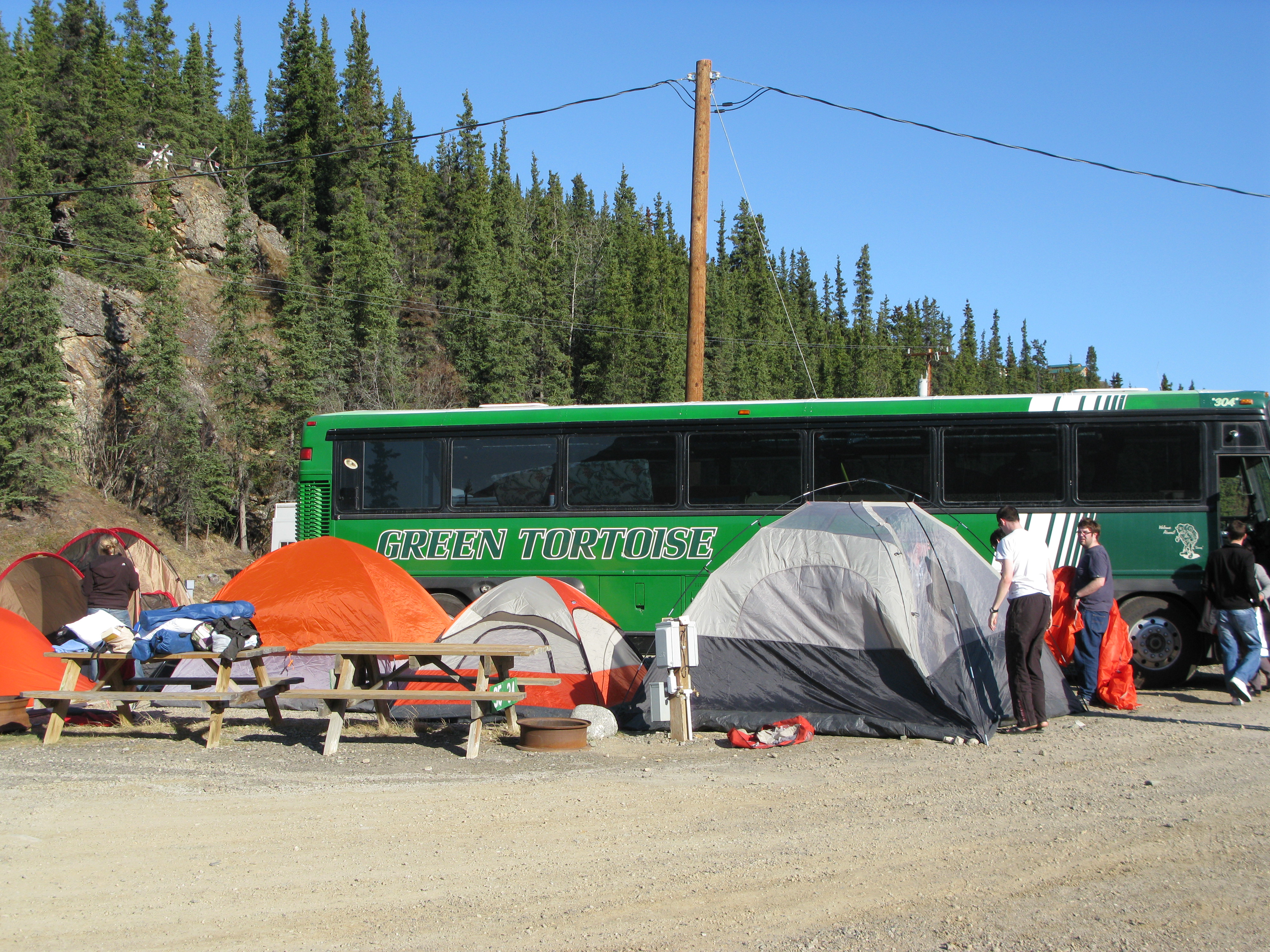
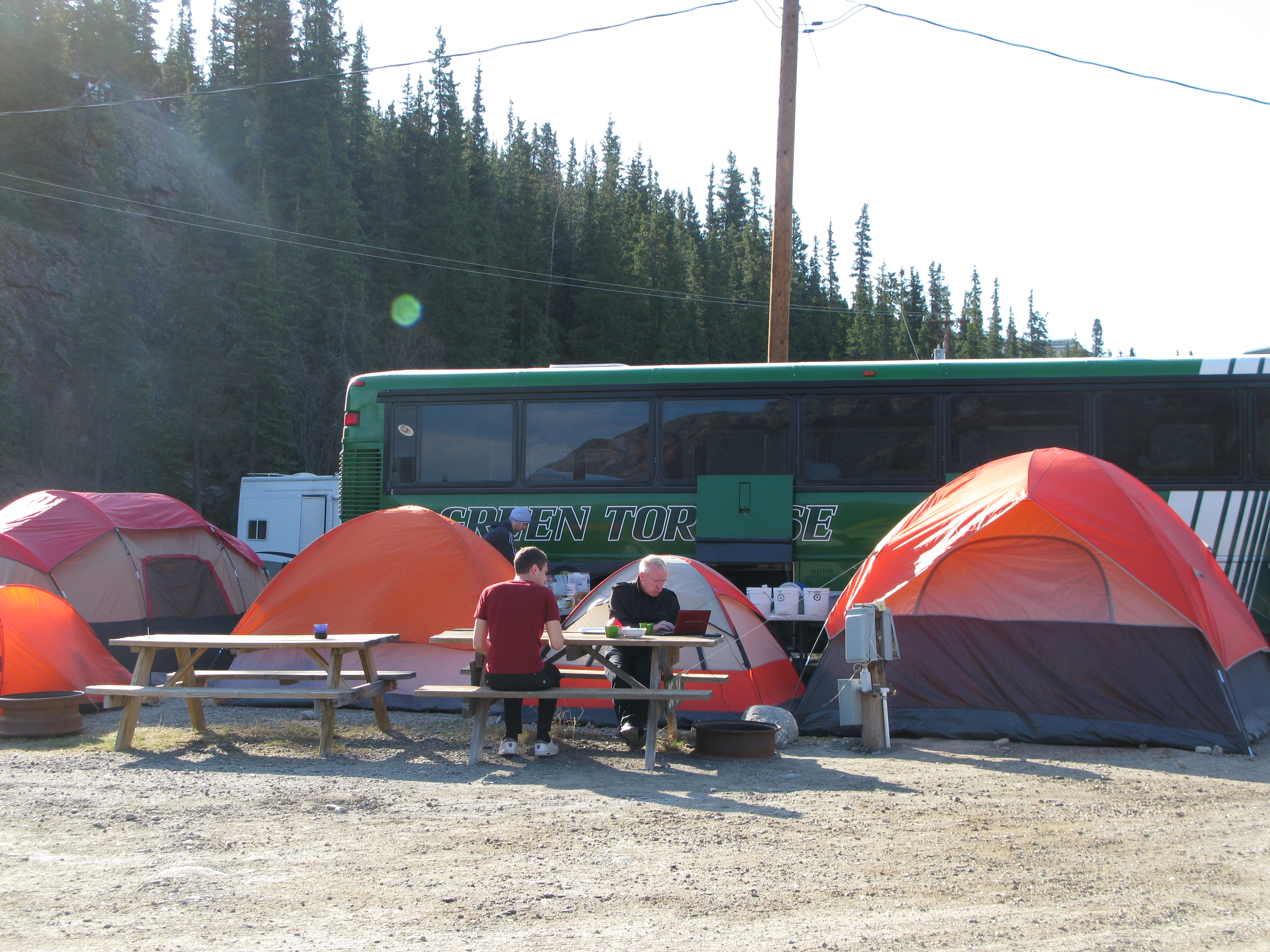
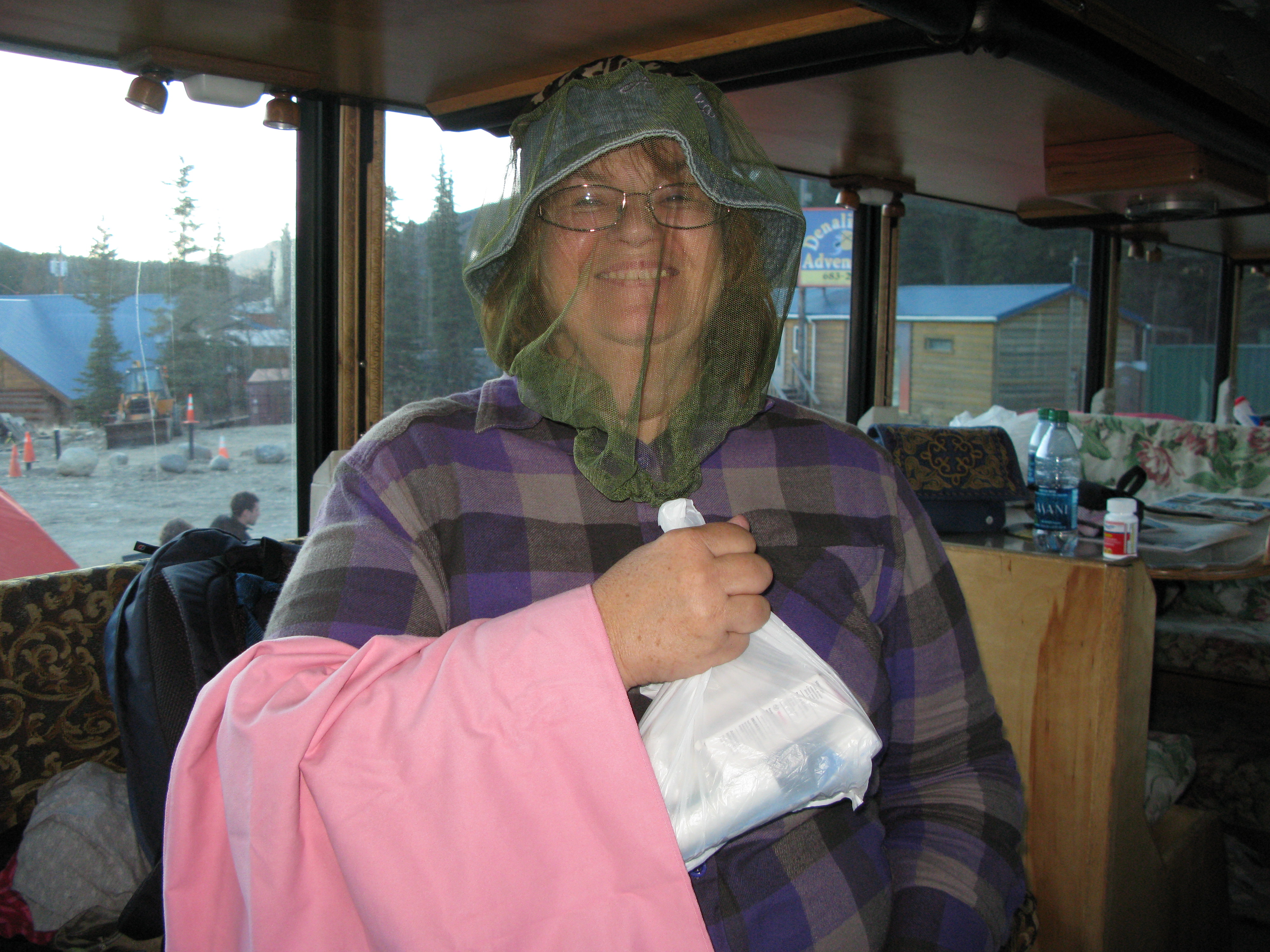 The campsite is outside the park boundaries, with no vehicles allowed in beyond a certain point; we camped at the Rainbow MV site, on gravel and loose sandy soil. Not easy for those trying to put up tents, but OK for those of us who elected to sleep on the bus. Which was fun and very cosy. My -15C sleeping bag was too warm, so I opened the feet part to cool down. Later in the night I became aware of how freezing it was, but I was snug! We are in one of the lands of the midnight sun, so it’s difficult to get to sleep. I fell asleep with my hat over my face – and woke up at about 1.30a.m. to an incredibly mid-blue sky – never seen a colour like it! With most people sleeping out in tents, the bus was fairly roomy. And as we were introduced to the enormous Alaskan Mozzies, it was pretty good to stay inside until the insect wipes could be located in a bag somewhere. A Mosquito headnet helps though!
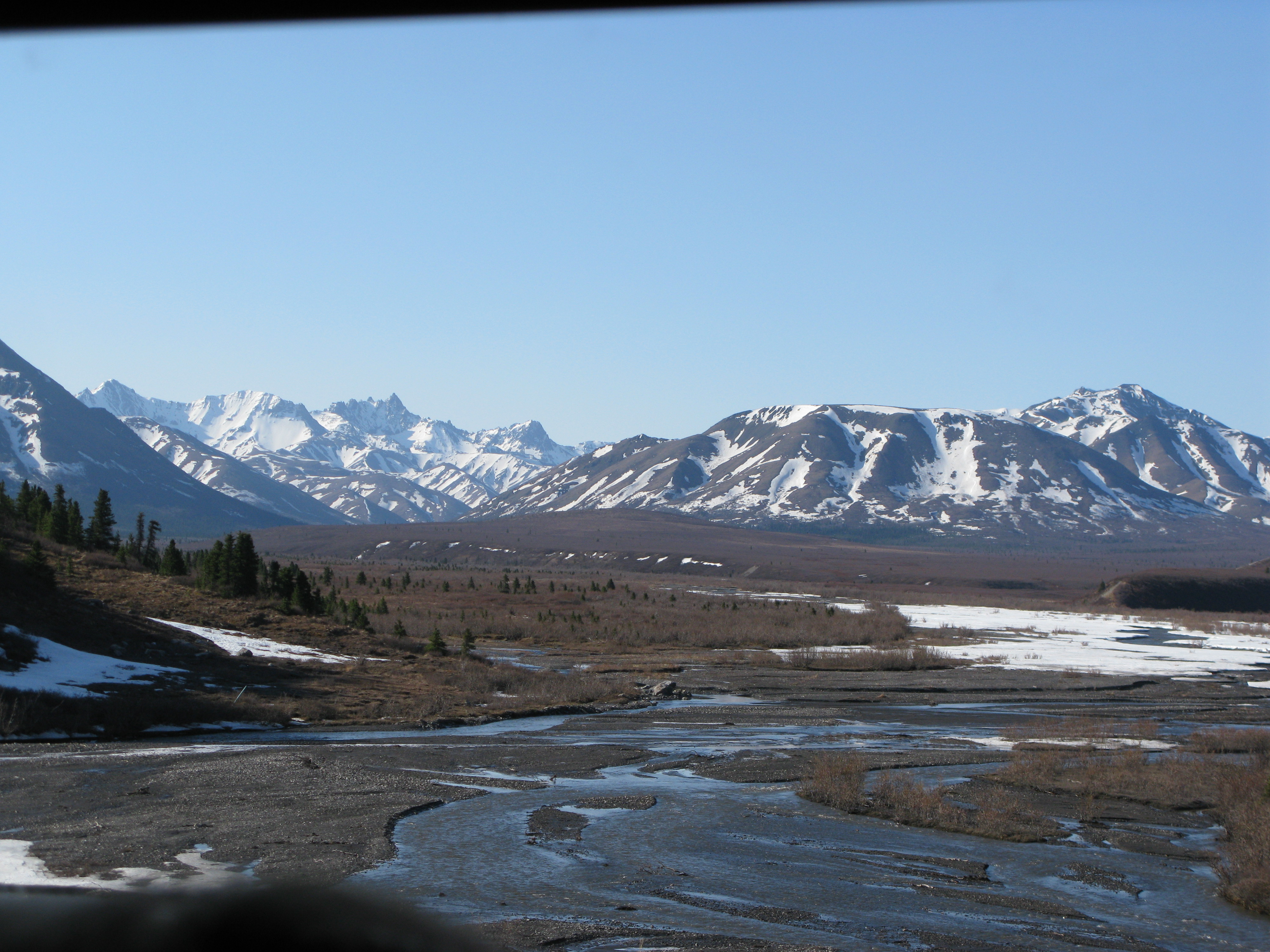
Linda and I had an early start (missing our first bus breakfast) – a tundra wilderness tour to a river in the mid-section of the park, which covers 6 million square miles. Big. Our guide was a woman called Annette who drove and instructed us – and she was fantastic. We were able only to rattle over the mountains and valleys as far as the Toklat River. The reason for this was that many animals were breeding and the park has very strict rules about the park being there for animals, not humans. So they have to be left in peace. Later in the season, the rest of the road is opened, as far as Wonder Lake and Kantishna. Worth coming back again to see all that, and maybe spend a few days camping at the end of the road.
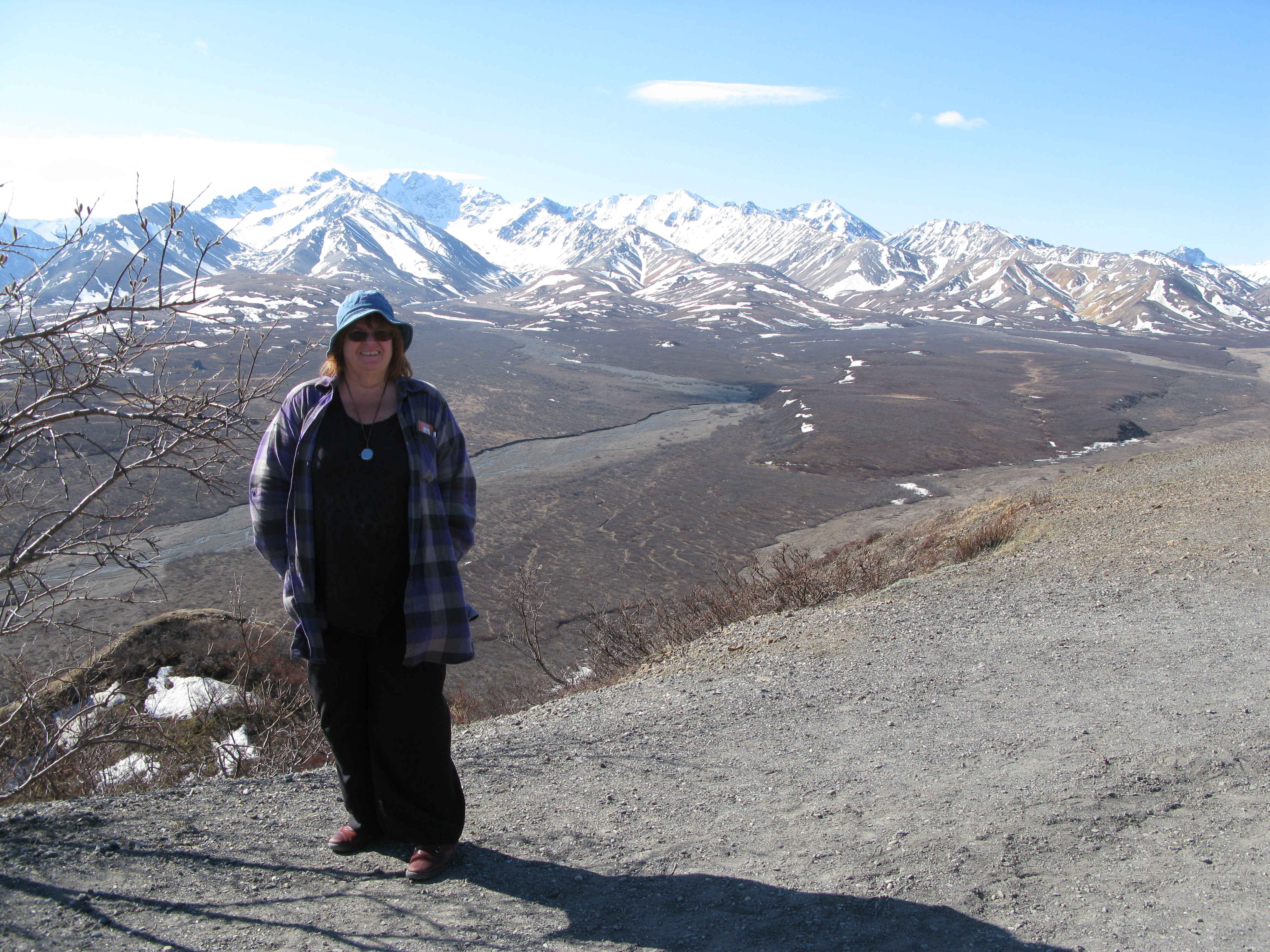

The journey was pretty hairy in parts, just a gravelled road with no barriers, and as some of the journey was on hairpin bends with steep scree drops to the valley below, it was a bit of a challenge for me. I think I may be desensitising during this trip – may come home vertigo-less! From the gravel road we drove on, high above the glacier-swept valley, we could clearly see how braided river beds came about, and how huge boulders, dislodged from mountain sides by the glacier, could end up stranded in the middle of a flattened landscape.
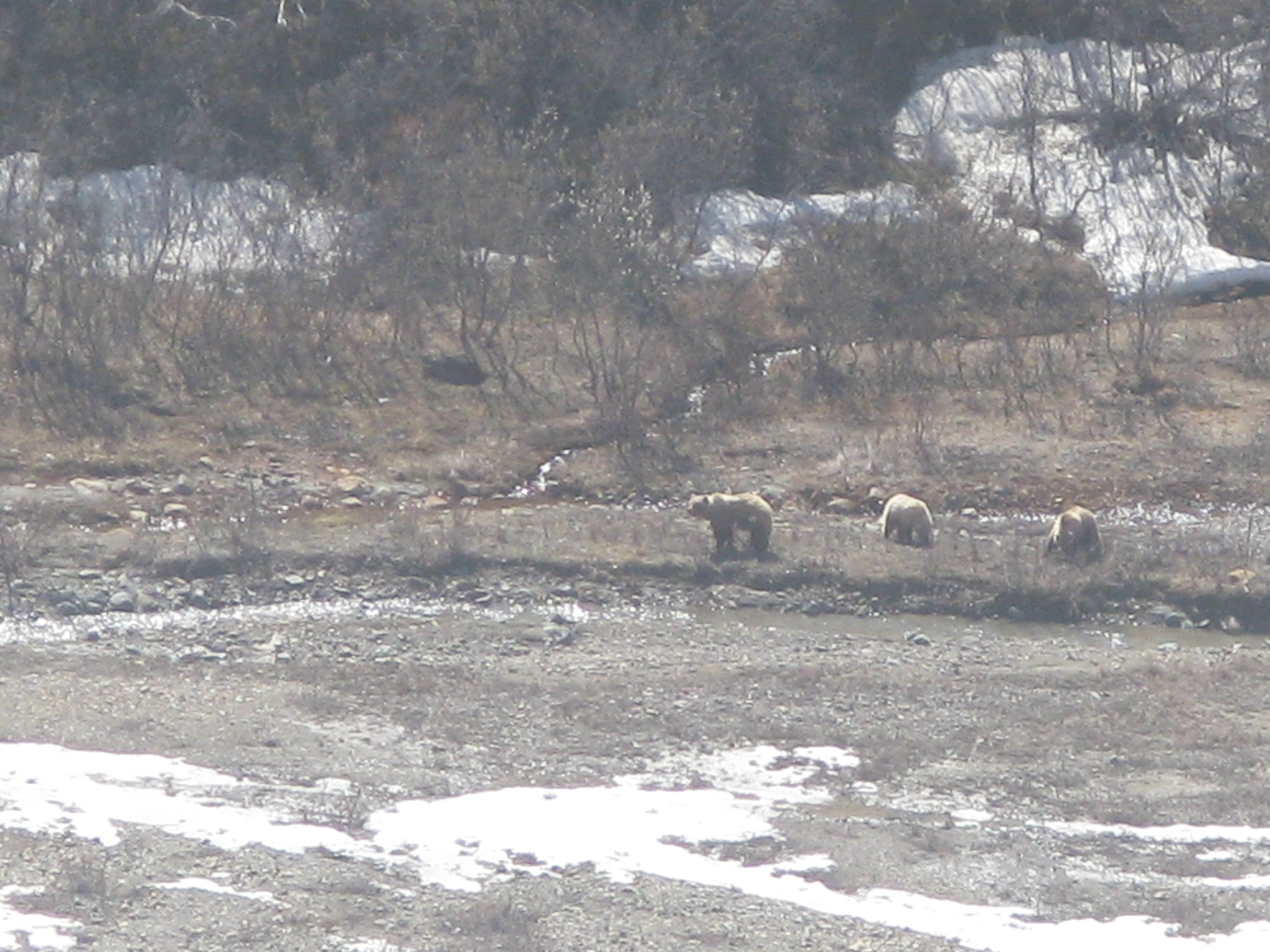
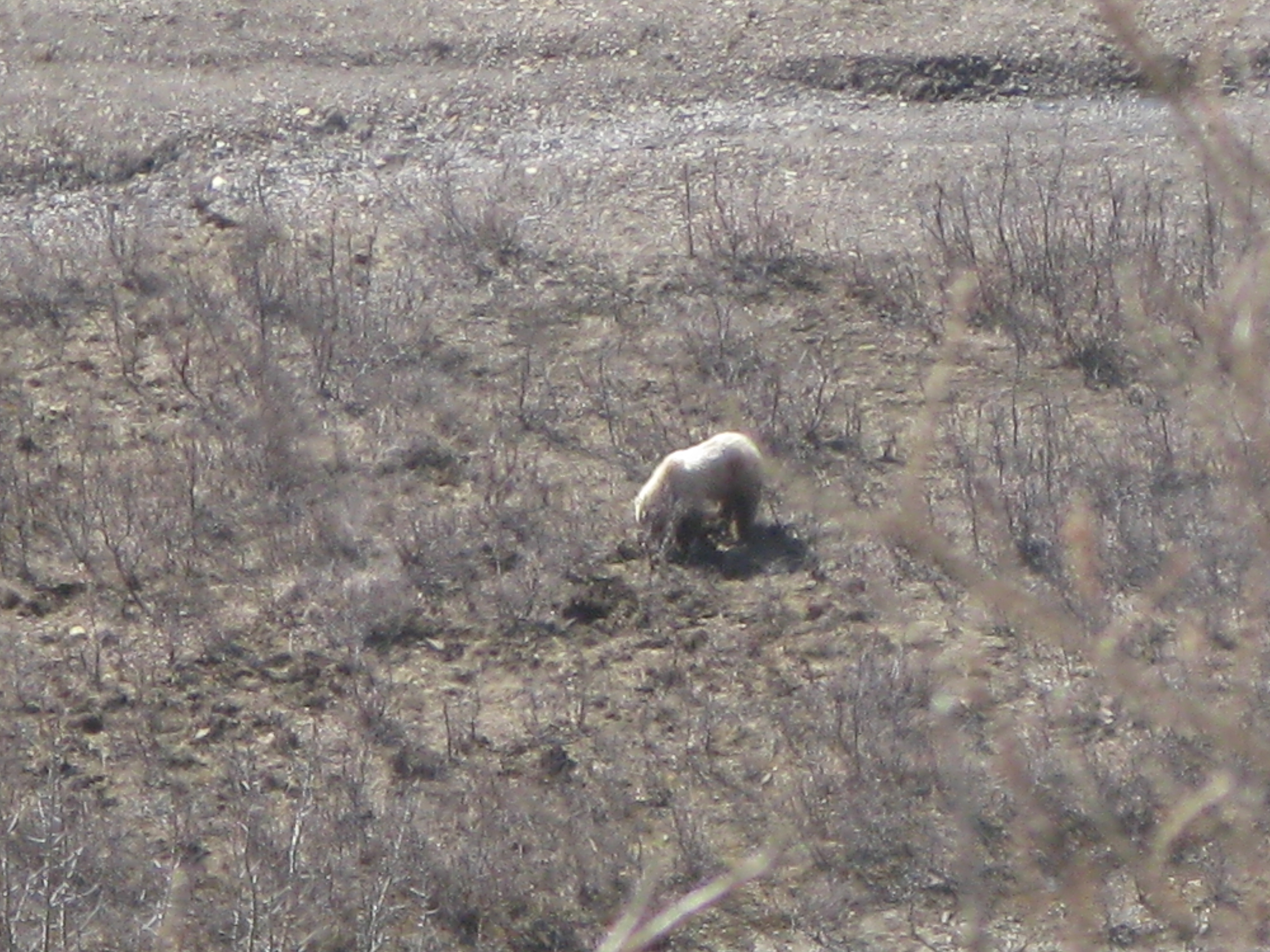
Annette stopped along the way, slithering to a halt whenever anyone shouted ‘bear at 3 o’clock’ or similar. She was a fountain of knowledge on everything from the park and its development to geology and glaciers in particular. Thanks to her, I now know the difference between Tundra and Taiga – and how to spot trees damaged by permafrost! She gave us a pretty good history lesson too.
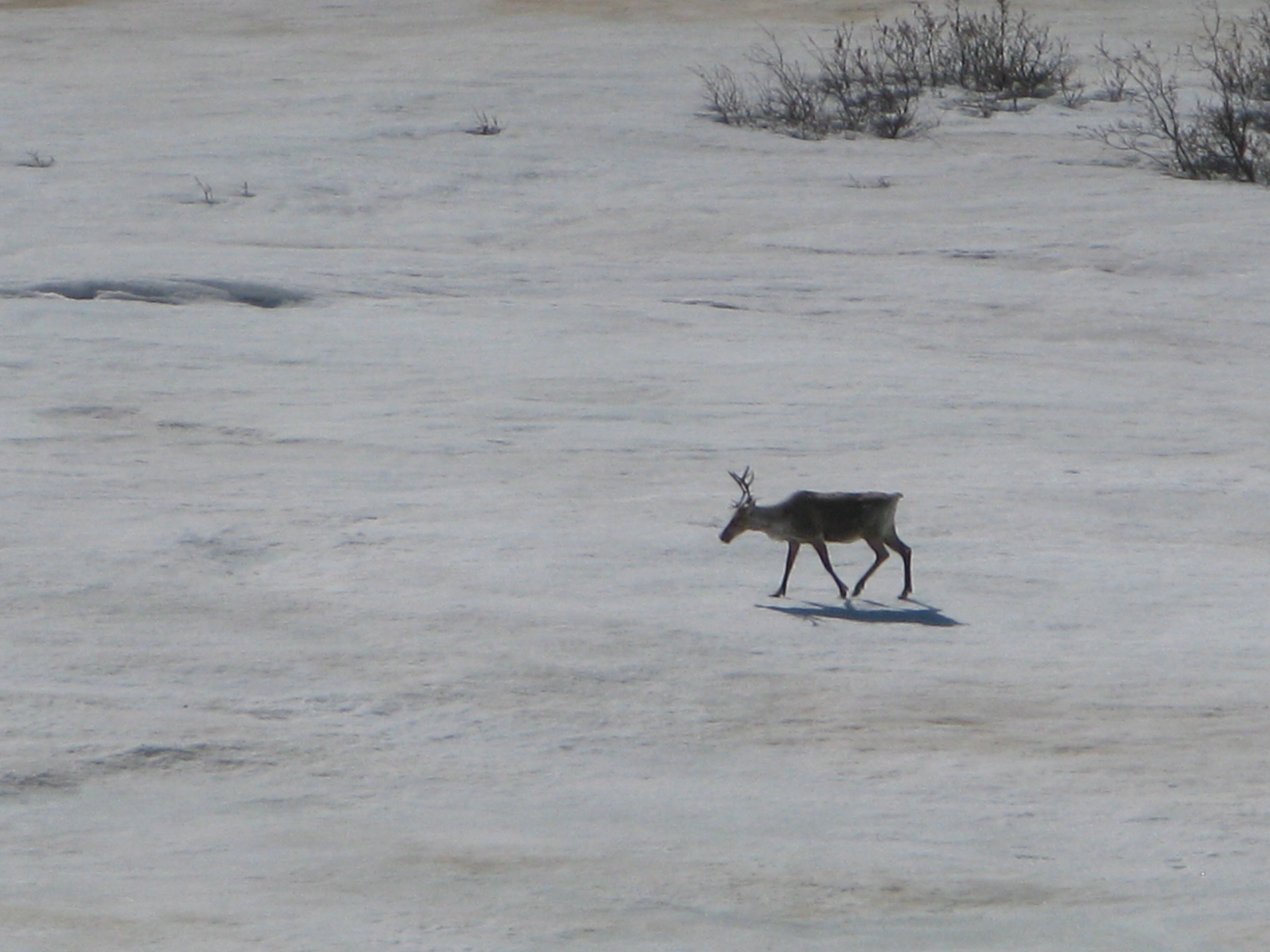
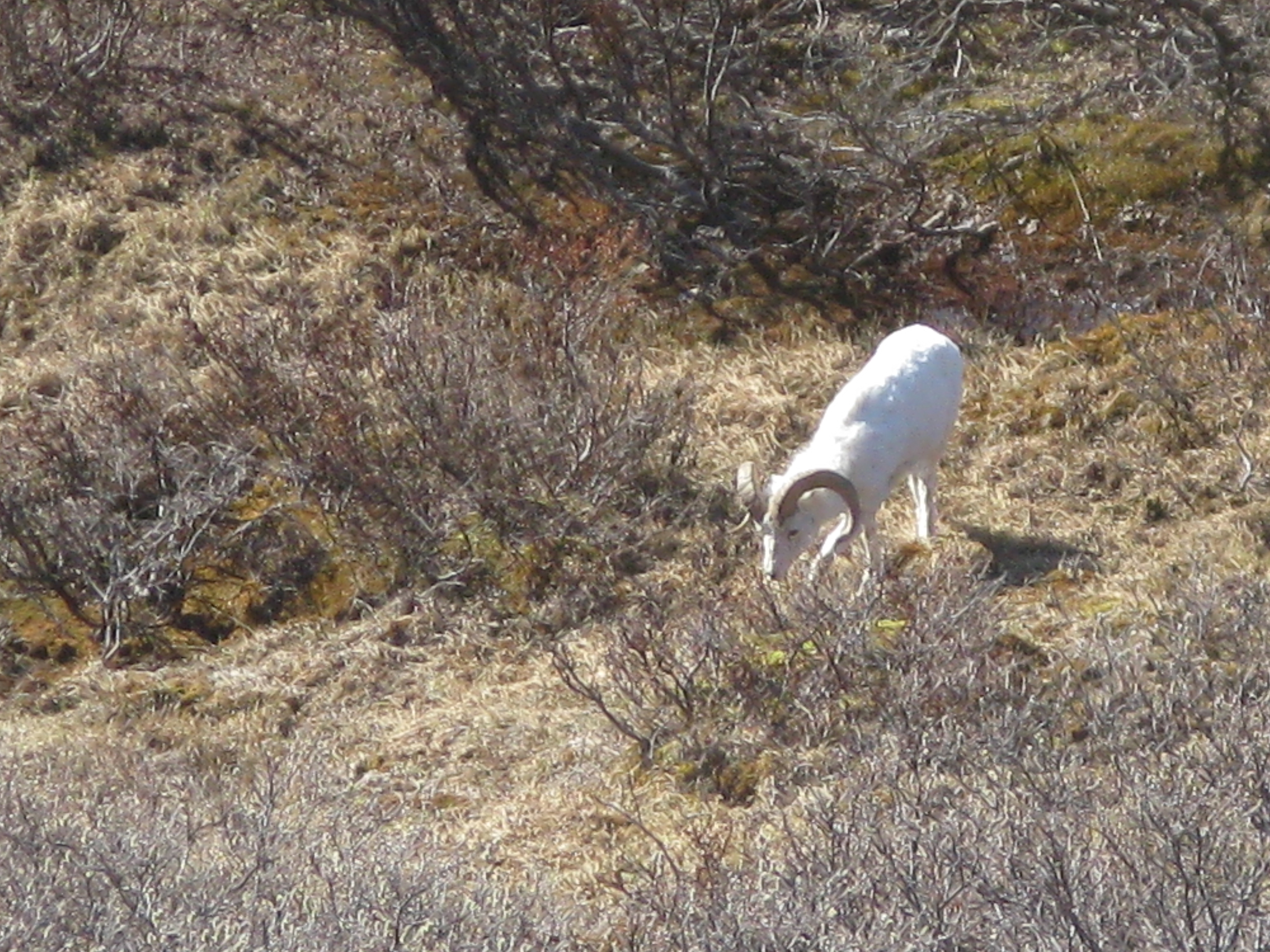
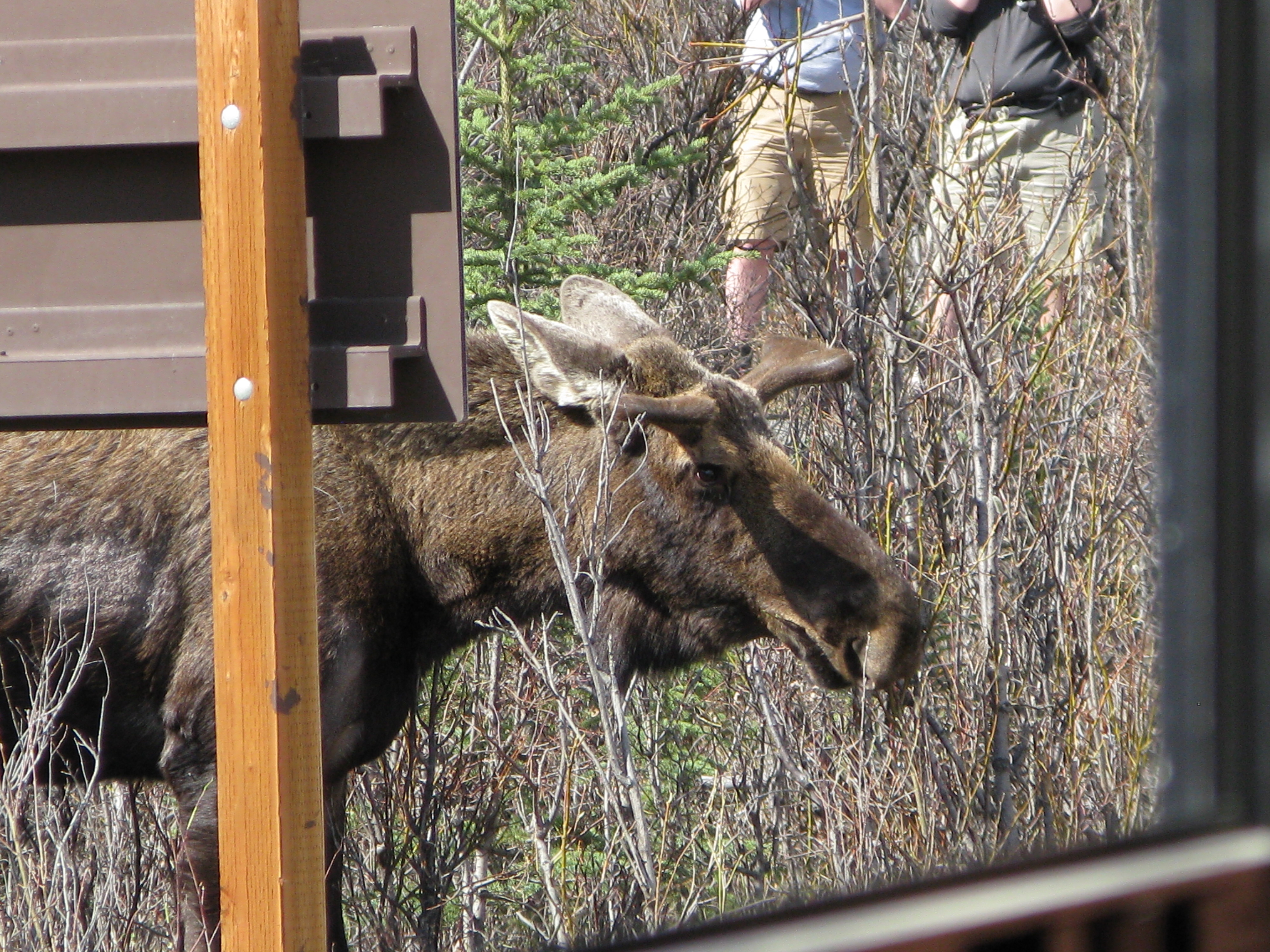
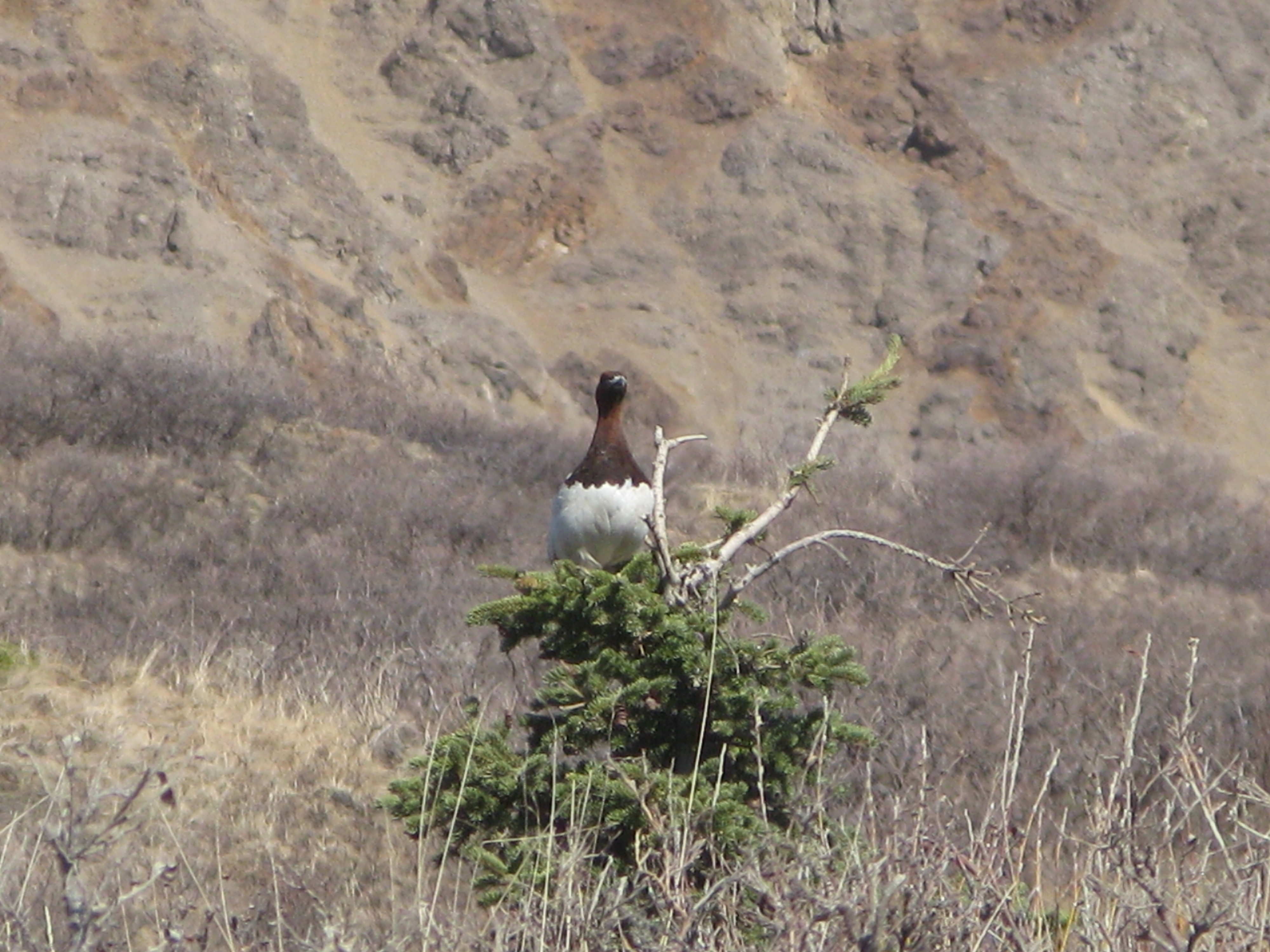
During the trip we saw caribou, moose (as we arrived back at the visitor centre!) five bears, golden eagles, bald eagles, a huge porcupine, Dall sheep (rams) and countless ptarmigans. I was really disappointed not to see any wolves – they are the most ‘private’ of animals, keeping well out of the way of tourists with cameras! Annette gave us valuable tips on how to act if in tricky situations involving bears or moose – the best advice we got while in the area. Most of these animals are unpredictable and can be highly dangerous, especially at this time of the year when they are protecting their young. Not to be messed with.
The main mountain here is Mt McKinley, and it also happens to be the highest in North America. Permanent snowfields cover about 75% of the mountain, and feed the many glaciers which surround its base. The mountain is composed mainly of granite and slate, with the layers of ice on top being hundreds of feet thick in places. It tops all the other mountains in the Alaska Range which divides the south-central area of the country from the interior plateau; the range came about as a result of tectonic plate collision, which apparently is still ongoing today and which adds to Mt McKinley’s height at the rate of about 1mm a year. Now, there’s a story about how it was named. The native Athabascans who lived in the interior of Alaska called it Denali, which means something like ‘ the great one’ or similar (it is amazing – a huge white block of a mountain framed by lesser rocky mountains).

But with the gold rush in the area and further south in the Klondike, the area was flooded with prospectors from afar, and one of these, I forget his name, staked a claim and built a shack with a view of the mountain. In those days it was called Denali. However, this prospector was impressed with a US politician named McKinley who was intent on bringing in a gold standard rather than a silver one, and of course this went down well with gold prospectors….So when he returned to his roots in the States (now the Lower 48, below Canada) he referred to the mountain as Mt McKinley. And so it became known, much to the anger and bewilderment of the native Alaskans. Over the years, many attempts were made to revert to its original name, but they were all unsuccessful. When the surrounding area was designated a national park it was named Denali to appease the locals, but the mountain remained Mt McKinley. Named after a man who’d never been to Alaska. Another attempt to rename it was unsuccessful when residents of Ohio, McKinley’s home state, managed to persuade the government that McKinley should be respected and the mountain retain his name. The Alaskans’ response was that they should name the highest mountain in Ohio (!) after him and leave Alaska to the Alaskans. Nice story. But indicative of how the wishes of the native Alaskans are seldom listened to.
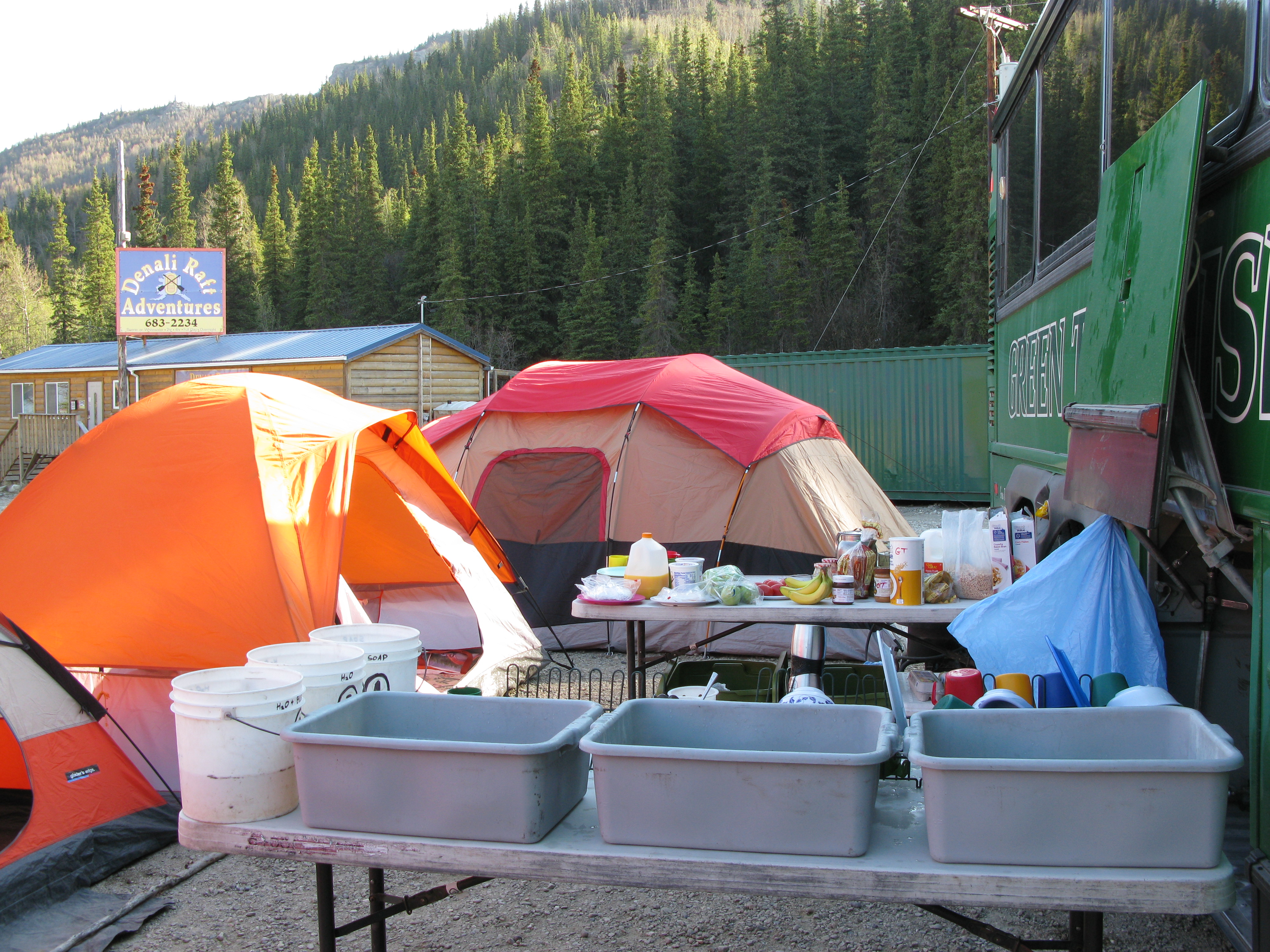 The following morning, we were introduced to the breakfast routine a la Green Tortoise. Tables are dug out from the innards of the bus and three large containers for dishwashing and another three buckets for washing hands are prepared. In both cases the first container contains soapy water, the second: rinsing water. The third has a diluted bleach mix. This safeguards us from any sort of nasty bugs we could contract while preparing, eating, washing up etc. However, it would have been in keeping if some of the equipment was in better order in the first place. The chopping boards left a lot to be desired. There was no clear distinction between veg boards, meat, or anything else. And they appeared to have been in circulation for months – if not years. It would be no exaggeration to call them manky. All dishes, plates, mugs are plastic and invariably smell bleachy. Maybe no bad thing….We take turns to prepare food, wash up afterwards, and clear away into the hold again. Breakfast is provided throughout the trip, but we generally get our other meals wherever we land up. Unless we make a packed lunch at breakfast time. It all works well, and being an ex-camper, it takes me back! I could do without the soft nails that result from immersion in bleach, however. Thank goodness for hand cream!
 Patamateria